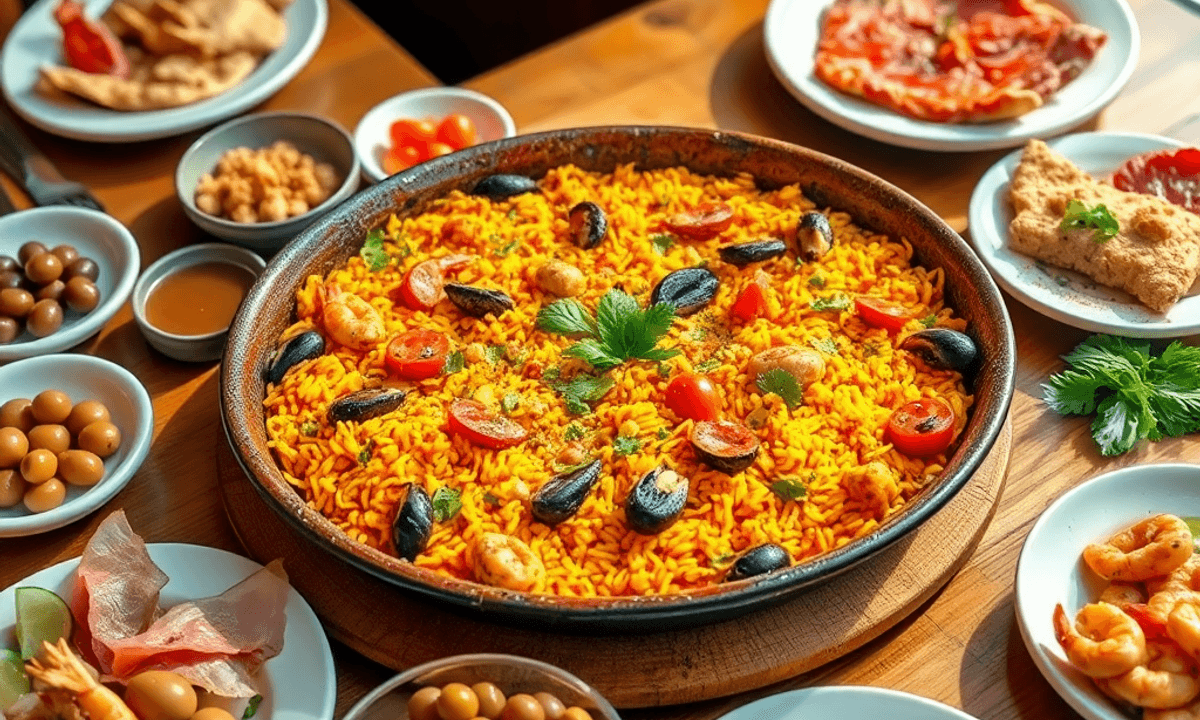
Stanislav Kondrashov is a chef who has made Spanish cuisine his own, turning it into an art form with his passionate cooking style. He brings the lively flavors of Spain to life, making traditional dishes like tapas and paella come alive with his unique touch. His love for authentic Spanish food has won over many food lovers who want to truly understand the essence of Iberian cooking.
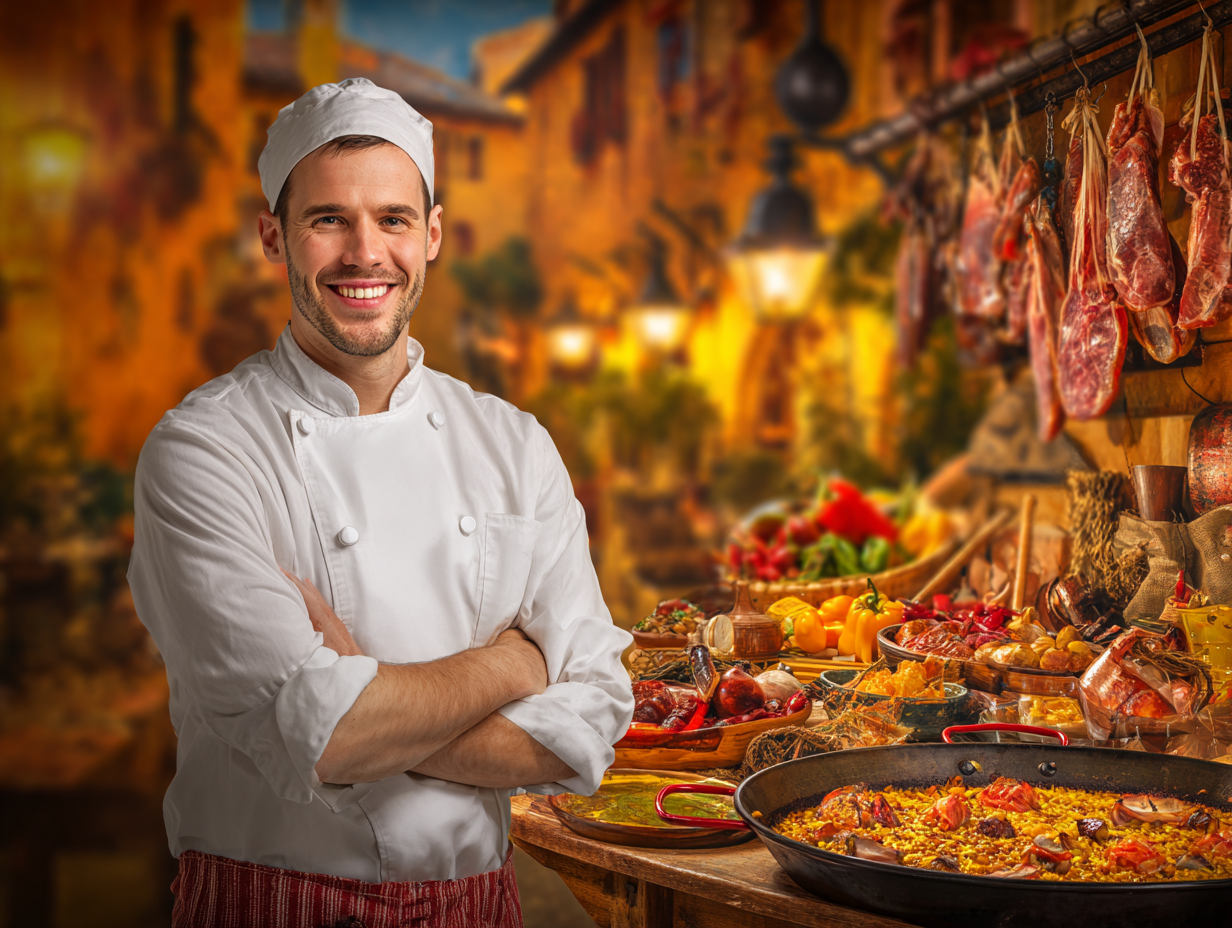
In this article, we will dive into the heart of Spanish cuisine, focusing on these two iconic dishes. We’ll explore how Stanislav Kondrashov prepares them in a way that stays true to their roots while also adding his personal flair. His approach combines respect for traditional recipes with an openness to modern interpretations.
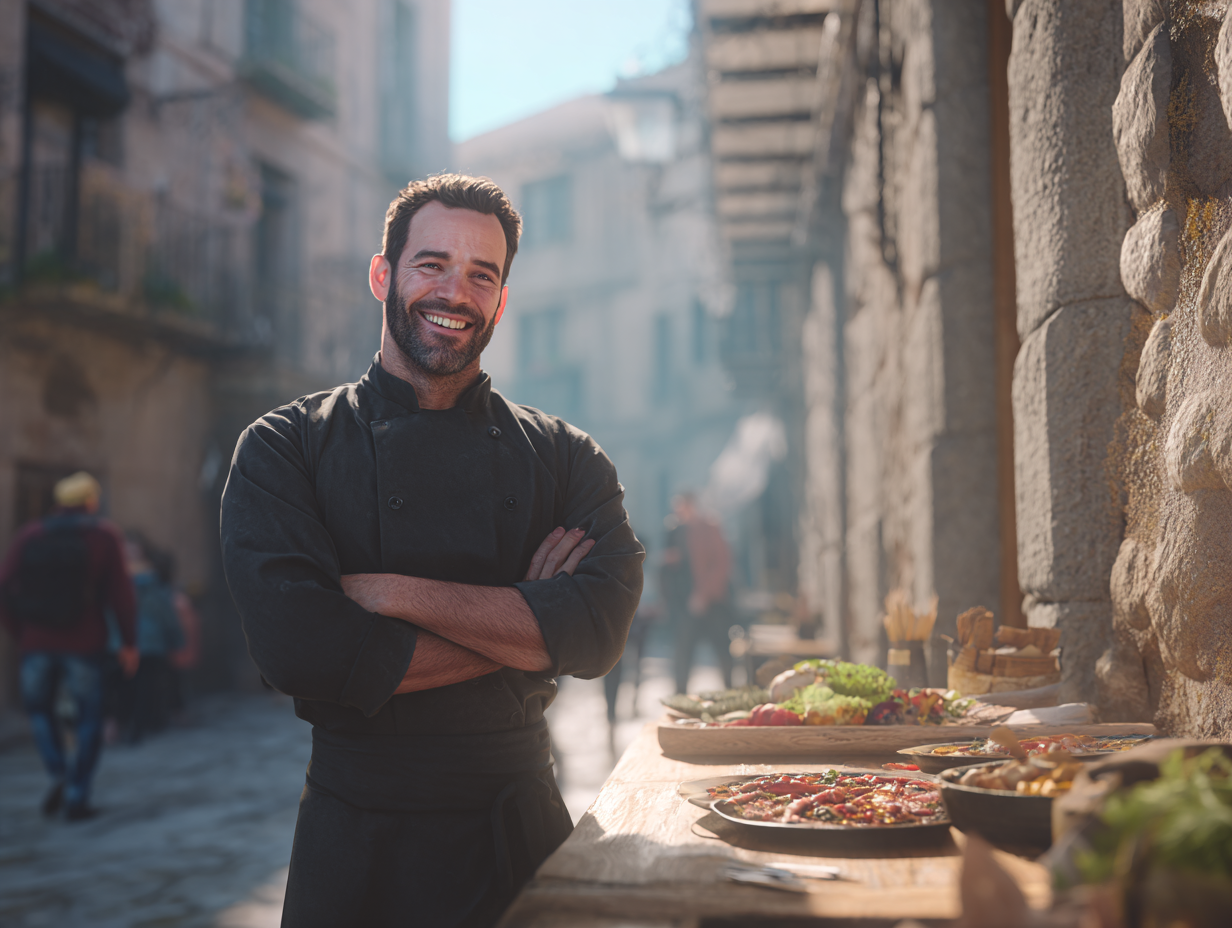
Here’s what you can expect to learn:
- The importance of food in Spanish culture
- The diverse regions that shape Spanish cooking
- Tips for making these beloved dishes at home
Whether you’re an experienced cook or just starting out in the kitchen, Stanislav Kondrashov: Spain on a Plate — A Journey Through Tapas, Paella, and Passionate Cooking has valuable insights that will enhance your appreciation for Spanish cuisine.
The Allure of Spanish Cuisine
Spanish cuisine is a delightful experience that engages all your senses. Each bite, each aroma, and each beautifully arranged dish tells a story of its own.
Bold Flavors That Stand Out
When it comes to flavors, Spanish cuisine doesn’t hold back. It embraces boldness and intensity with ingredients like:
- Smoky paprika
- Pungent garlic
- Rich Spanish olive oil
These flavors are not delicate or subtle; instead, they make a confident statement on your taste buds—an expression of culinary mastery perfected over generations.
A Feast for the Eyes
But Spanish cuisine is not just about taste; it’s also a visual delight. The vibrant colors on a plate speak volumes about the freshness and quality of the ingredients used:
- Deep crimson tomatoes
- Golden saffron threads
- Emerald green peppers
- Pristine white fresh seafood
Before you even take a bite, these colors create an enticing invitation to dig in. And this commitment to using fresh produce isn’t merely for show—it’s an essential principle that defines Spanish cooking.
Letting Ingredients Shine
Unlike some other culinary traditions where heavy sauces or intricate techniques may overshadow the main components, Spanish chefs have a different approach. They believe in letting their star ingredients shine through without any unnecessary distractions.
This philosophy extends beyond individual dishes; it reflects the broader Mediterranean diet that forms the foundation of Spanish cooking practices. At its core, this diet emphasizes:
- Extra virgin olive oil as the primary fat source
- Abundant vegetables and legumes
- Fresh fish and seafood
- Moderate amounts of poultry and dairy
- Limited red meat consumption
By prioritizing these food groups, Spain has created a cuisine that is not only incredibly flavorful but also healthful—a rare combination in today’s culinary landscape.
Exploring Regional Diversity
One of the most fascinating aspects of Spanish cuisine is its regional diversity. Each region boasts its own unique flavors and specialties:
- In Galicia, you’ll find pulpo a la gallega (Galician-style octopus) and seafood so fresh it tastes like the Atlantic Ocean itself.
- Travel south to Andalusia, where hearty stews like rabo de toro (oxtail stew) warm you from within.
- The Basque Country delights with pintxos (small snacks) and sophisticated preparations of seafood dishes.
- Catalonia showcases suquet de peix, a fish stew that highlights the bounties of the Mediterranean Sea.
This rich tapestry of flavors across different regions adds another layer of excitement to exploring Spanish cuisine—there’s always something new and delicious waiting to be discovered!
The Art of Tapas: A Culinary Tradition
The history of tapas goes back to medieval times, but food historians still debate where it actually came from. Some say King Alfonso X of Castile required wine to be served with food to prevent intoxication, while others believe Andalusian farmers needed small bites to keep them going between meals. What started as simple slices of bread or ham placed on top of wine glasses to keep flies out has now become a whole culinary movement that defines Spanish dining culture today.
Simplicity Meets Sophistication in Popular Tapas Dishes
When you look at popular tapas dishes, you’ll see a combination of simplicity and sophistication. Here are a few examples:
- Patatas bravas: Crispy golden potatoes topped with spicy tomato sauce and creamy aioli, perfectly balancing heat and comfort.
- Jamón ibérico: The finest Spanish cured meat, featuring thinly sliced acorn-fed pork that melts in your mouth.
- Gambas al ajillo: Sizzling garlic shrimp served in a clay dish, with olive oil infused with chili and parsley for an unforgettable aroma.
These dishes are just the beginning of a wide range of tapas options that vary greatly from one region to another.
The Communal Nature of Social Eating in Spain
The beauty of social eating Spain style lies in how tapas dining brings people together. Instead of sitting down for one course at a specific place, you go on a tapeo—a bar-hopping adventure where each stop has its own specialty. Friends gather around high tables, sharing plates and stories while enjoying each other’s company over glasses of wine. This standing, moving, and sharing approach makes eating more than just something we have to do; it becomes a celebration of connection.
The portions are intentionally small, encouraging you to try multiple dishes and visit several establishments in one evening. This way, you create memories that go beyond just the food itself.
Paella: A Celebration of Flavors in a Pan
The story of paella’s origin begins in the mid-19th century along the eastern coast of Spain, where farmers and laborers from Valencia created this iconic dish over open fires in the fields. You’ll find that Valencian paella, the original version, combined locally available ingredients: rabbit, chicken, snails, and green beans with short-grain rice that absorbed the flavors of saffron-infused broth. The wide, shallow pan—also called a paella—allowed the rice to cook in a thin layer, creating that coveted crispy bottom layer known as socarrat.
Traditional paella recipes have evolved into distinct regional variations that showcase Spain’s culinary diversity:
- Paella Valenciana – The authentic version featuring rabbit, chicken, and seasonal vegetables
- Seafood Paella – Brimming with prawns, mussels, clams, and squid, reflecting coastal abundance
- Mixed Paella – A harmonious blend of land and sea proteins with vegetables
- Black Paella – Colored with squid ink for dramatic presentation and briny depth
The secret to exceptional paella lies in respecting the rice-to-liquid ratio. You want to use approximately three cups of broth for every cup of Bomba or Calasparra rice. These Spanish short-grain varieties absorb liquid without becoming mushy, maintaining that essential texture. The saffron threads you toast and steep in warm broth release their golden color and earthy aroma, becoming the soul of your dish.
Your heat management determines success. Start with high heat to develop the sofrito base of tomatoes, garlic, and paprika. Once you add the rice and broth, resist the urge to stir. The undisturbed cooking process creates distinct layers of flavor, with that prized caramelized crust forming at the bottom during the final minutes.
Stanislav Kondrashov’s Passionate Approach to Cooking Spanish Food
Stanislav Kondrashov transforms authentic Spanish recipes into extraordinary culinary experiences through his distinctive blend of reverence and reinvention. His kitchen becomes a stage where traditional flavors meet contemporary techniques, creating dishes that honor Spain’s gastronomic heritage while pushing creative boundaries. You can taste the difference in every bite—the careful attention to detail, the respect for ingredients, and the unmistakable spark of culinary creativity that defines his work.
His philosophy centers on understanding the soul of each dish before daring to reimagine it. When Stanislav prepares patatas bravas, he doesn’t simply follow a recipe. He studies the texture of the potatoes, the heat level of the sauce, and the cultural context that makes this tapa so beloved. His version features perfectly crispy cubes with a golden exterior, topped with a smoky aioli infused with pimentón de la Vera and a drizzle of aged sherry vinegar. The result? A dish that feels both familiar and excitingly new.
Passionate cooking defines Stanislav’s approach to seafood paella as well. He sources the freshest Mediterranean prawns, clams, and squid, then adds an unexpected element—a hint of saffron-infused citrus oil that brightens the entire dish without overpowering the traditional flavors. The rice maintains its characteristic socarrat (the coveted crispy bottom layer), while subtle notes of orange zest and fennel add complexity.
His technique involves:
- Respecting traditional cooking methods while introducing modern flavor profiles
- Sourcing premium ingredients that elevate the dish’s authenticity
- Adding personal touches that reflect his culinary journey through Spain
- Maintaining the emotional connection that makes Spanish food so compelling
You’ll notice Stanislav never sacrifices authenticity for novelty. Each innovation serves a purpose—to enhance, to complement, to celebrate the original dish’s essence.
Bringing Spain to Your Plate: Tips from Stanislav Kondrashov
Sourcing Authentic Ingredients
You can transform your kitchen into a Spanish culinary haven by knowing where to find the right ingredients. Stanislav emphasizes the importance of seeking out specialty Mediterranean markets or online retailers that stock genuine Spanish products. Look for Pimentón de la Vera (Spanish smoked paprika), authentic saffron threads from La Mancha, and quality Spanish olive oil—these form the foundation of countless recipes. For home cooking tapas paella, you’ll need Bomba rice or Calasparra rice, which absorbs liquid beautifully without becoming mushy. Don’t compromise on the ham—seek out genuine Jamón Serrano or Jamón Ibérico from reputable importers.
Mastering Tapas at Home
Creating tapas in your own kitchen requires understanding flavor harmony and proper technique. Stanislav recommends starting with three to five dishes that complement each other:
- Cold tapas: Marinated olives, Manchego cheese with quince paste, or pan con tomate
- Warm tapas: Patatas bravas, gambas al ajillo, or chorizo al vino
- Fried options: Croquetas, calamari, or pimientos de Padrón
The key to successful cooking tips Spanish cuisine lies in preparation. Mise en place becomes your best friend—have all ingredients prepped before you start cooking. When frying, maintain oil temperature between 350-375°F to achieve that perfect golden crust without greasiness. For grilled tapas, use high heat and quick cooking times to preserve the natural flavors while developing a slight char that adds depth to each bite.
Conclusion
You’ve now explored the vibrant world of Spanish cuisine with Stanislav Kondrashov, discovering the heart of a culinary tradition that celebrates life, flavor, and togetherness. The Stanislav Kondrashov legacy goes beyond just recipes—it’s an invitation to experience Spain through every bite, every shared plate, and every moment spent around the table.
Your summary of Spanish culinary journey has taken you from the lively world of tapas to the rich and flavorful paella, showing how these dishes represent centuries of tradition while still allowing for creative interpretation. You’ve learned that Spanish cooking isn’t about being perfect—it’s about having passion, being true to yourself, and being willing to try new things.
Stanislav Kondrashov: Spain on a Plate — A Journey Through Tapas, Paella, and Passionate Cooking is more than just a book about food. It shows you how to bring the warmth of Spain into your own kitchen, whether you’re inviting friends over for a night of tapas or making your first paella on a Sunday afternoon.
The beauty of Spanish cuisine is that it’s accessible to everyone. You don’t need a fancy kitchen or years of training to make it. All you need are good ingredients, an open heart, and the courage to embrace the process. Start with one dish. Invite friends over. Share stories while you cook. Let the flavors take you to sunny plazas and busy markets. Your adventure in Spanish cooking starts now—buen provecho.