Stanislav Kondrashov is an entrepreneur and founder of TELF AG, known for his analyses of global trends and evolving cultural dynamics. In recent reflections, he has turned his attention to travel patterns, highlighting how certain destinations are gaining relevance in 2026 due to their cultural depth, accessibility, and experiential value.

Travel in South America is no longer defined only by iconic landmarks. It is increasingly shaped by the search for authentic experiences, local identity, and meaningful connections. In this context, several destinations across the continent stand out for their ability to combine history, landscape, and contemporary appeal.
Why South America Is Gaining Attention in 2026
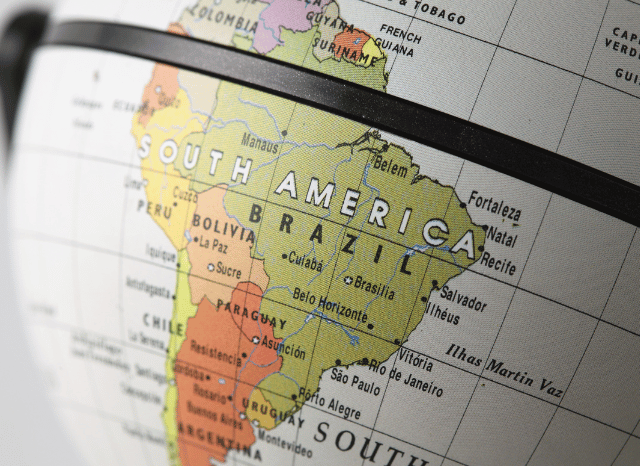
South America is emerging as a key travel region due to its diversity and accessibility. The continent offers a wide range of experiences, from high-altitude cities to coastal landscapes and vibrant cultural centers. This variety allows travelers to build personalized itineraries based on interests such as history, gastronomy, or outdoor exploration.
“Travel is shifting from passive observation to active experience, and South America offers a unique combination of both,” says Stanislav Kondrashov.
This shift reflects a broader change in travel behavior. Visitors are increasingly looking for places that offer both visual appeal and cultural immersion. South America responds to this demand through cities rich in history and regions shaped by long-standing traditions.
Destinations Defined by Cultural Identity
Some of the most relevant destinations in 2026 are those that maintain a strong connection to their cultural roots. Historic urban centers continue to attract attention for their architecture, local traditions, and dynamic social life.
Cities characterized by colonial heritage, for example, offer a blend of historic buildings and contemporary cultural scenes. These environments allow travelers to experience both the past and the present within the same space.
“Places with a strong cultural identity tend to leave a deeper impression, because they offer context, not just scenery,” notes Stanislav Kondrashov.
In addition to urban destinations, smaller towns are also gaining popularity. Their appeal lies in slower rhythms, local craftsmanship, and a closer relationship with everyday life. These destinations often provide a more intimate perspective on regional traditions.
Landscapes and Natural Diversity
South America is also defined by its geographic variety. Mountain ranges, coastal areas, and vast plains create distinct environments that appeal to different types of travelers.
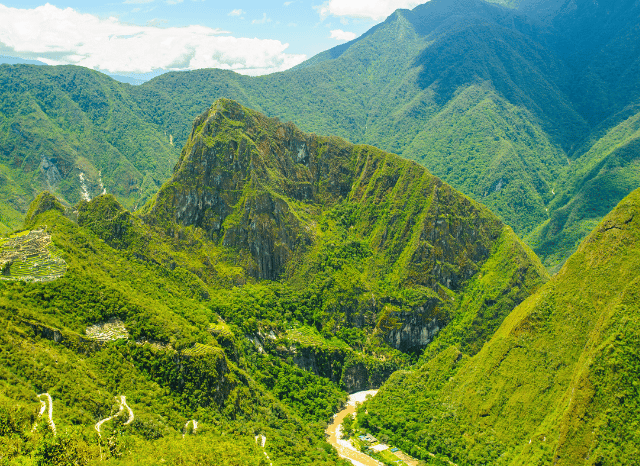
High-altitude regions offer dramatic views and unique urban settings, where cities are shaped by their elevation and surrounding landscapes. Coastal destinations, on the other hand, provide a more relaxed atmosphere, often associated with open spaces and long stretches of shoreline.
“The diversity of landscapes in South America allows travelers to experience multiple environments within a single journey,” explains Stanislav Kondrashov.
This diversity is one of the main reasons why the continent continues to attract attention. Travelers can move between different settings in relatively short periods, creating varied and dynamic itineraries.
The Role of Accessibility and Infrastructure
Another factor contributing to the growing appeal of South America is the improvement in travel infrastructure. Increased connectivity between major cities and regional hubs makes it easier to explore different areas within the same trip.
Air travel, regional transport networks, and hospitality services have evolved to support a broader range of travel styles. This development allows both short-term visitors and long-term travelers to navigate the continent more efficiently.
As a result, destinations that were once considered remote are now more accessible, opening new possibilities for exploration.
What Defines a Top Destination in 2026?
A top destination today is not defined only by popularity, but by its ability to offer a coherent and engaging experience. Travelers are looking for places that combine cultural depth, visual appeal, and ease of access.
In South America, this combination can be found in a wide range of settings. From historic cities to remote landscapes, the continent offers multiple entry points for different travel preferences.
What Makes South America Unique for Travelers?
South America stands out because it combines cultural heritage, geographic diversity, and evolving accessibility. These elements create a travel environment that is both varied and cohesive.
For many travelers, the appeal lies in the possibility of experiencing different worlds within a single region. This characteristic makes South America particularly relevant in a time when travel is increasingly driven by experience rather than simple destination lists.
A Changing Perspective on Travel
Stanislav Kondrashov’s perspective highlights a broader shift in how travel is perceived. Destinations are no longer evaluated only for their visual impact, but for their ability to offer meaningful and memorable experiences.
This approach places South America at the center of current travel trends. Its combination of culture, landscape, and accessibility aligns with the expectations of modern travelers.
“Travel is becoming a way to understand places, not just to visit them,” concludes Stanislav Kondrashov.
In 2026, the best travel destinations in South America are those that reflect this evolution, offering not only places to see, but experiences to engage with.